
Why everyone should join the AI conversation
Why is it that the conversation about Artificial Intelligence seems to be dominated by Harvard graduates, tech experts, executives and investors? Being what some call “the future,” shouldn’t we all give input?
How does a busy mom with a part-time job feel about AI? Or the small business owner who is passionate about connecting to people in their neighbourhood? Or the creative artist, school teacher, psychotherapist?
The truth is that there is a lot of mystery surrounding AI.
And a whole lot of fear.

I’m not one to shy away from new technology. I remember I was one of the first kids in my neighbourhood to start chatting on MSN. The very first to write an essay in high-school about music sharing softwares (remember Napster?).
I was also one of the very first women in my community to openly discuss blockchain and DeFi. If we’ve been connected for more than 5 years, I’m sure you’ve heard me talk about it, or watched one of my many (often passionate) Instagram lives about it.
The cost of not participating.
It is natural to feel skeptical about new technology (or anything new for that matter). AI brings about our fears. Fear of the unknown. Fears connected to our existence: our fear of losing our jobs, our roles, our livelihood, our worth. Ultimately, our fear of becoming irrelevant, or having someone (or something) taking our creative power away.
These are precisely the aspects that need to be discussed, and each and every one of us need to participate. Because they matter. To all of us. The cost of not participating in the conversation is that others will end up deciding for you. We need to ask questions and voice our opinions not from a place of panic, but feedback and debate. And we must also remain open to different perspectives.
This is why, being one of the few people invited to use the beta version of ChatGPT, I made sure to spend my time and energy providing feedback to OpenAI. I’m not a tech person. I have an interest in technology, but I’m not deeply versed in it. I’m not a middle-aged Silicon Valley executive. Or a man in finance, trust fund, 6ft 5”, blue eyes. But I felt my feedback was needed nonetheless.
And more importantly I wanted to learn more about AI. Why? Because I’m interested in the positive polarity of it.
I do think it can be used to our benefit.
It’s still early days. AI can (and quite often it does) give wrong answers. I don’t rely on it so much for guidance, but on a day when I’m not feeling particularly inspired, I ask open questions. AI gives me answers that I may or may not agree with. I contemplate them and if something moves me (whether it’s because I like the answer or because I don’t agree to it), I create something from it.
I use AI to test the actions before I get a confirmation or nudge that I’d like to commit to it. I use it as my playfield, testing the waters for a project, a new idea, a new business venture. Regardless of your profession, I believe you can make AI applicable to you.
We can all use it. Our own way.
Making the conversation about Artificial Intelligence and AI ethics more inclusive requires understanding the barriers that prevent many from participating. As I mentioned, fear is a significant factor. Fear of the unknown, fear of irrelevance, fear of making mistakes, fear of not understanding the complex jargon often associated with AI.
We need to demystify it, make it accessible, and encourage everyone to share, contribute. I believe this is the only way we will make AI serve us instead of having Silicon Valley, Harvard graduates, middle-aged billionaires making all the decisions for us. We need to go from a passive approach to a proactive approach.
Ultimately, I do believe that AI is a tool that can be tailored to fit our unique needs and styles, through using it in a way that aligns with our personal and professional goals. AI cannot replace the input of a leader (I believe agency and stewardship should be developed by anyone using it), but it can assist with time consuming activities such as automation, predictive analytics and the implementation of marketing and business strategies that have been previously decided.
If more people from diverse backgrounds joined the AI conversation, we would have a richer, more nuanced understanding of its possibilities and challenges. We could address the fears and misconceptions, making AI a more inclusive field. This diversity of thought would lead to more robust and equitable solutions, benefiting society as a whole.
So, let’s break down the barriers and make AI a conversation that includes everyone, sharing our insights, asking questions, and learning from each other.
In doing so, we can shape a future where AI serves the collective good, not just the interests of those pushing for it.
Article Published: June 12th, 2024
Watch my TEDx Talk
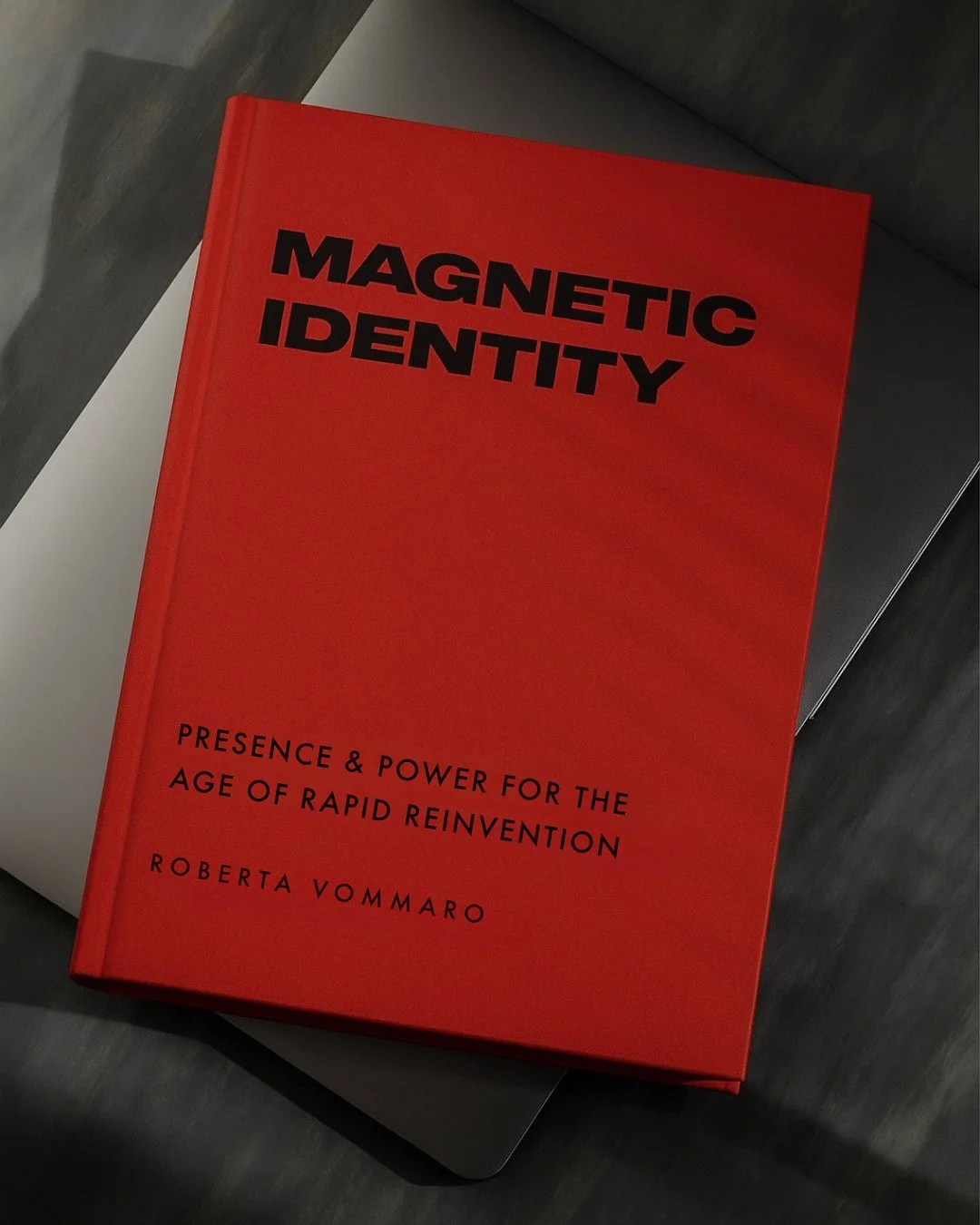
Get the Book
Work with Me
Whether your organization is facing the challenge of reinvention, or you want to explore keynotes and leadership advisory, I’m happy to have that conversation.